


When people hear male hormone replacement therapy (HRT)—often called testosterone replacement therapy (TRT)—they usually think of libido or erectile dysfunction. While testosterone does play a role in sexual health, focusing only on sex misses the bigger picture.
Low testosterone affects nearly every system in the body. For many men, the most disruptive symptoms have nothing to do with the bedroom—and everything to do with energy, mood, metabolism, and long-term health.
This blog explains why male HRT is about whole-body wellness, not just sexual function—and what men should understand before starting therapy.
What Is Male HRT?
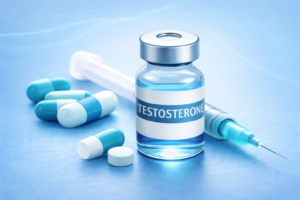
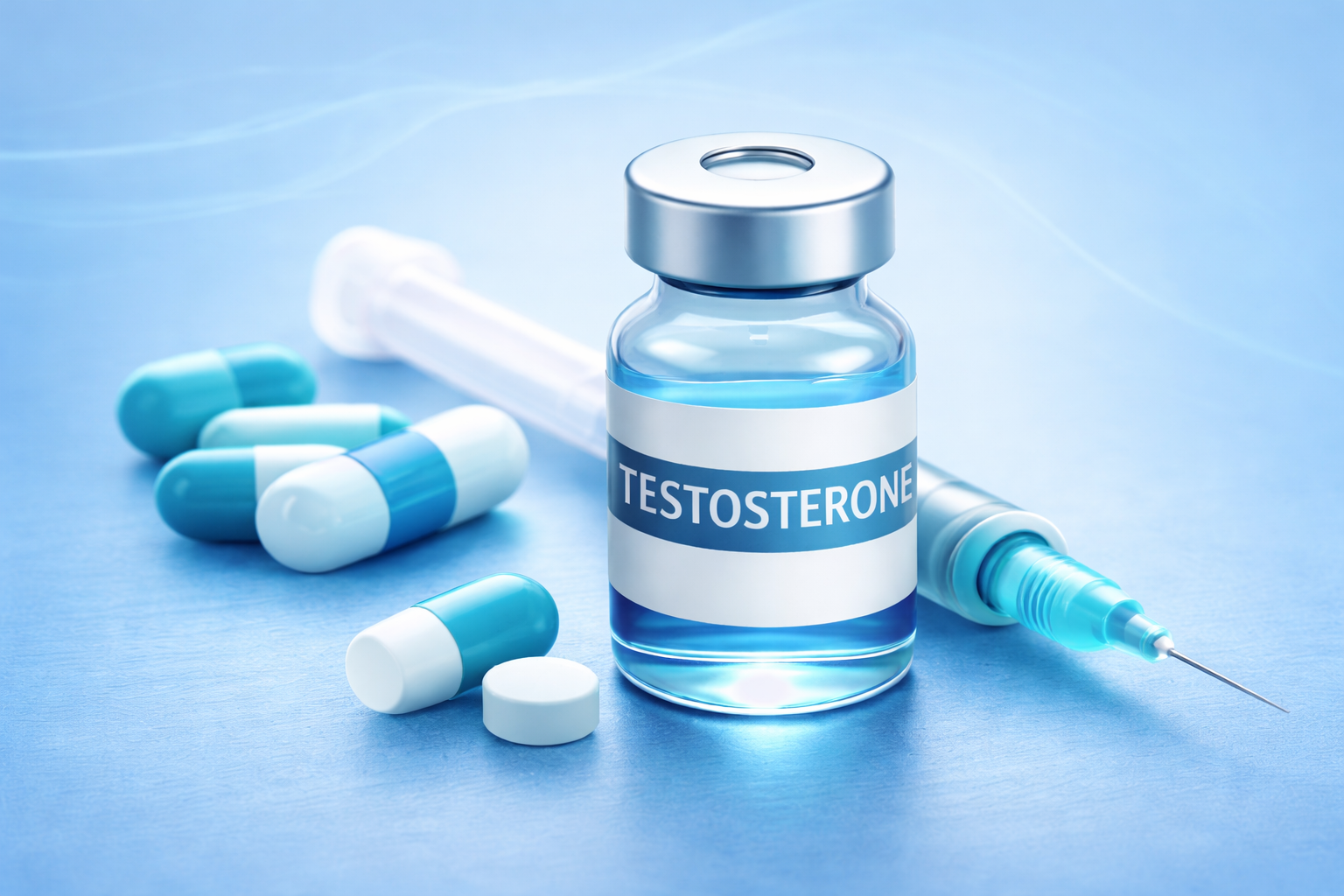
Male HRT restores testosterone to healthy, physiologic levels in men with testosterone deficiency (hypogonadism). Testosterone is a foundational hormone that influences:
• Energy production and stamina
• Muscle mass and strength
• Bone density
• Mood, motivation, and cognition
• Fat distribution and insulin sensitivity
• Cardiovascular signaling
• Sleep quality and recovery
When levels fall—and symptoms appear—proper treatment can significantly improve quality of life.
Low Testosterone: The Symptoms Men Often Miss
Sexual symptoms get attention, but many men seek help because of non-sexual changes they can’t explain:
Physical Symptoms
• Chronic fatigue or low endurance
• Loss of muscle mass despite exercise
• Increased body fat, especially abdominal
• Joint aches or slow recovery
• Decreased bone density
Mental & Emotional Symptoms
• Brain fog or poor concentration
• Low motivation or drive
• Irritability, anxiety, or depression
• Reduced stress tolerance
Metabolic & Systemic Effects
• Insulin resistance or prediabetes
• Difficulty losing weight
• Poor sleep or non-restorative sleep
These symptoms are often dismissed as “stress” or “aging,” delaying diagnosis and treatment.
Why Male HRT Matters Beyond Sex
1) Energy and Daily Function
Testosterone supports mitochondrial function and red blood cell production. Low levels can leave men feeling exhausted—even with adequate sleep.
2) Muscle, Strength, and Bone Health
Testosterone is critical for lean muscle maintenance and bone density. Untreated deficiency increases the risk of sarcopenia (muscle loss) and osteoporosis.
3) Mood, Cognition, and Mental Health
Low testosterone is linked to depressed mood, irritability, and cognitive slowing. Many men report improved mental clarity and emotional stability after appropriate treatment.
4) Metabolic Health
Healthy testosterone levels support insulin sensitivity and fat metabolism. Low T is associated with metabolic syndrome and type 2 diabetes.
5) Long-Term Health Outcomes
Persistently low testosterone has been associated with higher rates of frailty, cardiovascular risk factors, and reduced overall wellbeing.
Sexual health is one piece—not the whole story.
Why Male HRT Is Still Misunderstood
Many men are told, “Your testosterone is normal,” even when they feel anything but. Common reasons include:
• Overreliance on population-based lab ranges instead of symptoms
• Outdated concerns about safety
• Lack of time for proper evaluation and monitoring
• Limited training in men’s hormone optimization
Testosterone deficiency is a clinical diagnosis, not just a number on a lab report.
Who May Benefit From Male HRT?
Men may be candidates if they have:
• Persistent symptoms consistent with low testosterone
• Repeated low morning testosterone levels
• A thorough evaluation ruling out reversible causes (sleep apnea, medications, stress, obesity)
Treatment should always involve shared decision-making, especially around fertility goals.
Potential Disadvantages of Male HRT (What Men Should Know)
While male HRT can be life-changing for the right patient, it’s important to understand the downsides and trade-offs before starting therapy.
1) Fertility Suppression
This is one of the most important considerations.
• External testosterone signals the brain to reduce natural testosterone production
• This suppresses luteinizing hormone (LH) and follicle-stimulating hormone (FSH)
• Reduced LH/FSH can significantly lower or stop sperm production
In practical terms: Testosterone therapy can act like male birth control.
For men who want children in the future, this must be discussed before starting therapy. Fertility suppression is often reversible, but recovery time varies and is not guaranteed.
2) Not Ideal for Men Actively Trying to Conceive
Men currently attempting conception are usually not candidates for traditional TRT. In these cases, fertility-preserving approaches may be more appropriate and should be discussed with a knowledgeable provider.
3) Ongoing Monitoring Is Required
Testosterone therapy is not “set it and forget it.” Without proper monitoring, potential issues can include:
• Elevated hematocrit (thickened blood)
• Changes in cholesterol levels
• Hormonal imbalances, including excess estrogen conversion
Safe therapy requires regular labs and follow-up.
4) Possible Side Effects
Some men experience:
• Acne or oily skin
• Fluid retention
• Mood changes during dose adjustments
• Testicular shrinkage due to reduced internal testosterone production
Most side effects are dose-related and manageable with individualized care.
5) Long-Term Commitment
Once on TRT, stopping therapy may cause symptoms to return. This isn’t a failure—it reflects how the body adapts to external hormone support—but it’s an important consideration before starting.
Safe, Responsible Testosterone Therapy
Evidence-based male HRT includes:
• Confirmatory testing and symptom assessment
• Individualized dosing (not one-size-fits-all)
• Ongoing monitoring (hematocrit, lipids, testosterone levels; PSA when appropriate)
• Lifestyle optimization alongside therapy
When done correctly, male HRT is restorative—not excessive.
Frequently Asked Questions
Is testosterone therapy only for sexual dysfunction?
No. Testosterone affects energy, mood, muscle, bone, and metabolic health.
Is low testosterone just part of aging?
Levels decline with age, but symptomatic deficiency is not something men have to “live with.”
How quickly do non-sexual benefits appear?
Energy and mood may improve within weeks; body composition and bone changes take longer.
Is TRT safe long term?
For appropriately selected patients under medical supervision, TRT is considered safe and effective.
The Bottom Line
Male HRT is not about vanity or sexual performance alone. It’s about restoring function, protecting long-term health, and helping men feel like themselves again—with full transparency about benefits and risks.
If you’re experiencing unexplained fatigue, mood changes, muscle loss, or metabolic issues—and have been told everything is “normal”—it may be time for a more comprehensive hormone evaluation.
If this sounds like you, click here to schedule a men’s hormone health consultation and explore whether hormone therapy could support your overall health and wellbeing.